.png)
.png)
What to Expect During a DOT Physical in Columbia
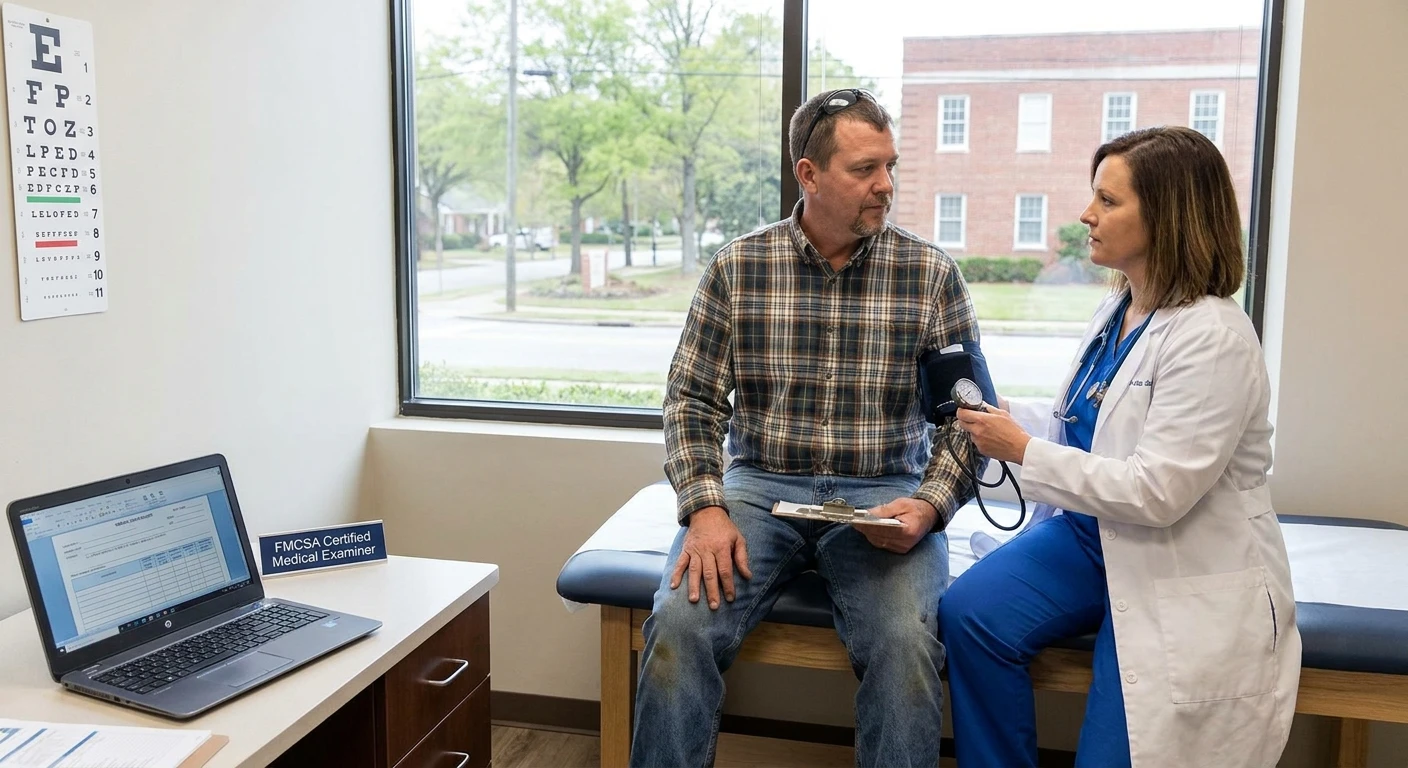
Commercial drivers in Columbia don't get to skip the medical gate. If you're hauling freight or ferrying passengers, the Department of Transportation wants proof you can handle it — physically, mentally, and emotionally. That proof comes in the form of a DOT physical, and it's non-negotiable. The exam isn't there to catch you off guard. It's there to make sure you're not a liability when you're behind the wheel of something that weighs more than most houses.
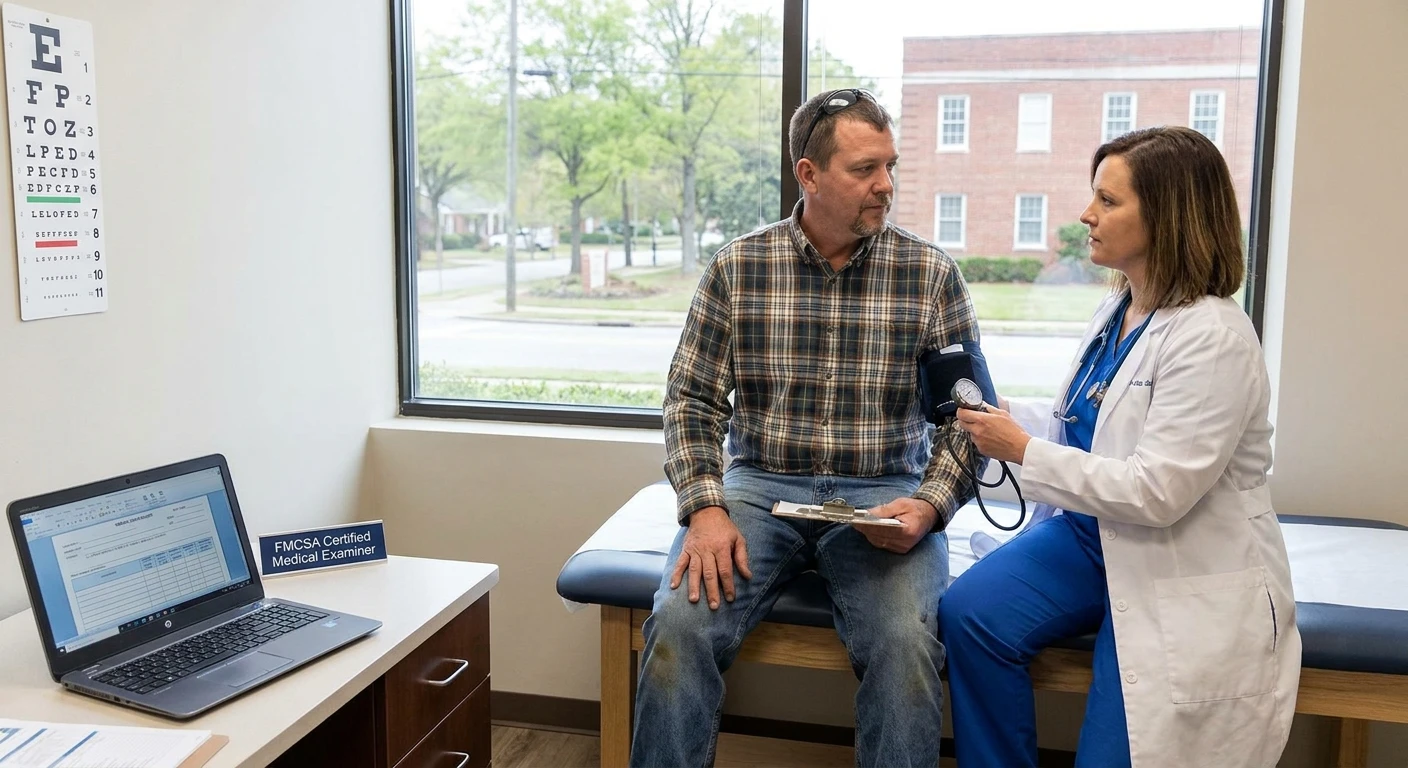
So what actually happens during one of these exams? We break it down step by step so you know what's coming, what counts, and what could trip you up before you even sit down in the examiner's office.
The Federal Requirement Behind the Clipboard
This isn't a suggestion from the FMCSA. It's a mandate. Commercial motor vehicle operators are held to a higher standard because the stakes are higher. You're not just responsible for yourself — you're responsible for everyone sharing the road with you. The physical exists to weed out conditions that could put you or others in danger. Heart problems, vision issues, unmanaged diabetes — those aren't minor inconveniences when you're piloting a rig down I-26.
The exam checks whether you meet federal medical standards. Pass it, and you're cleared to drive. Fail it, and you're sidelined until you fix whatever flagged you. No exceptions.
What You Should Bring Before You Walk In
Don't show up empty-handed. You'll need documentation, and the more organized you are, the smoother this goes. Start with your driver's license — that's obvious. Then grab a list of every medication you're taking, with dosages included. If you've got a chronic condition like sleep apnea or diabetes, bring records from your doctor. Recent lab work, compliance reports, anything that shows you're managing it.
Wear your glasses or hearing aids if you use them. The examiner won't hand you a pair if you "forgot" yours at home. And if your blood pressure runs high, skip the energy drinks that morning. You're not doing yourself any favors by spiking your numbers before the test.
The Checklist They Run Through
The DOT physical covers a lot of ground. It's not just a quick blood pressure reading and a handshake. Expect a full workup that touches on every system that could affect your ability to drive safely. Here's what gets tested:
- Medical history review — past surgeries, current conditions, medications, all of it
- Height and weight measurements to calculate BMI
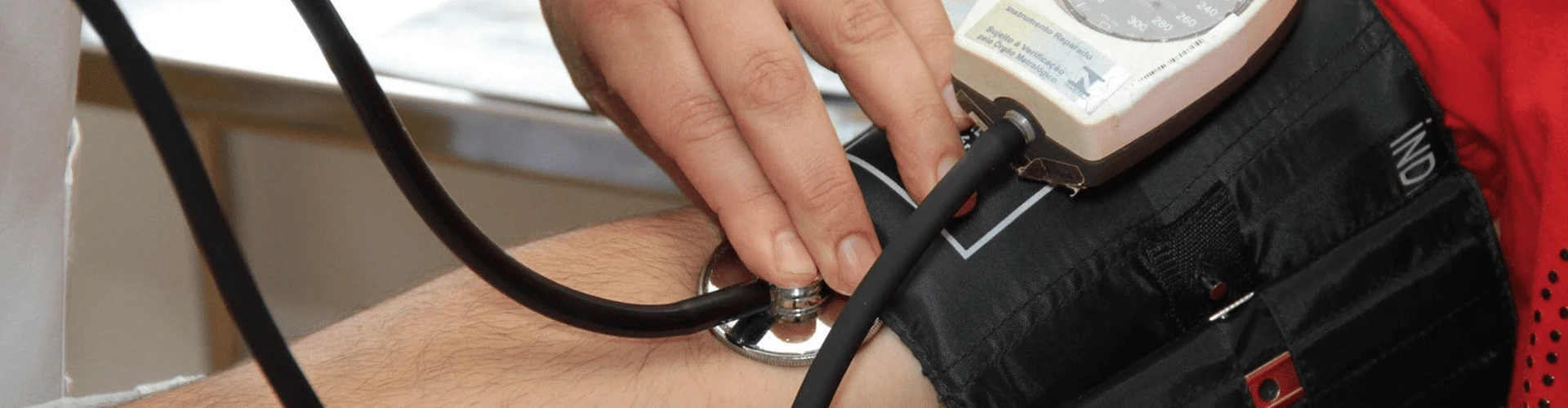
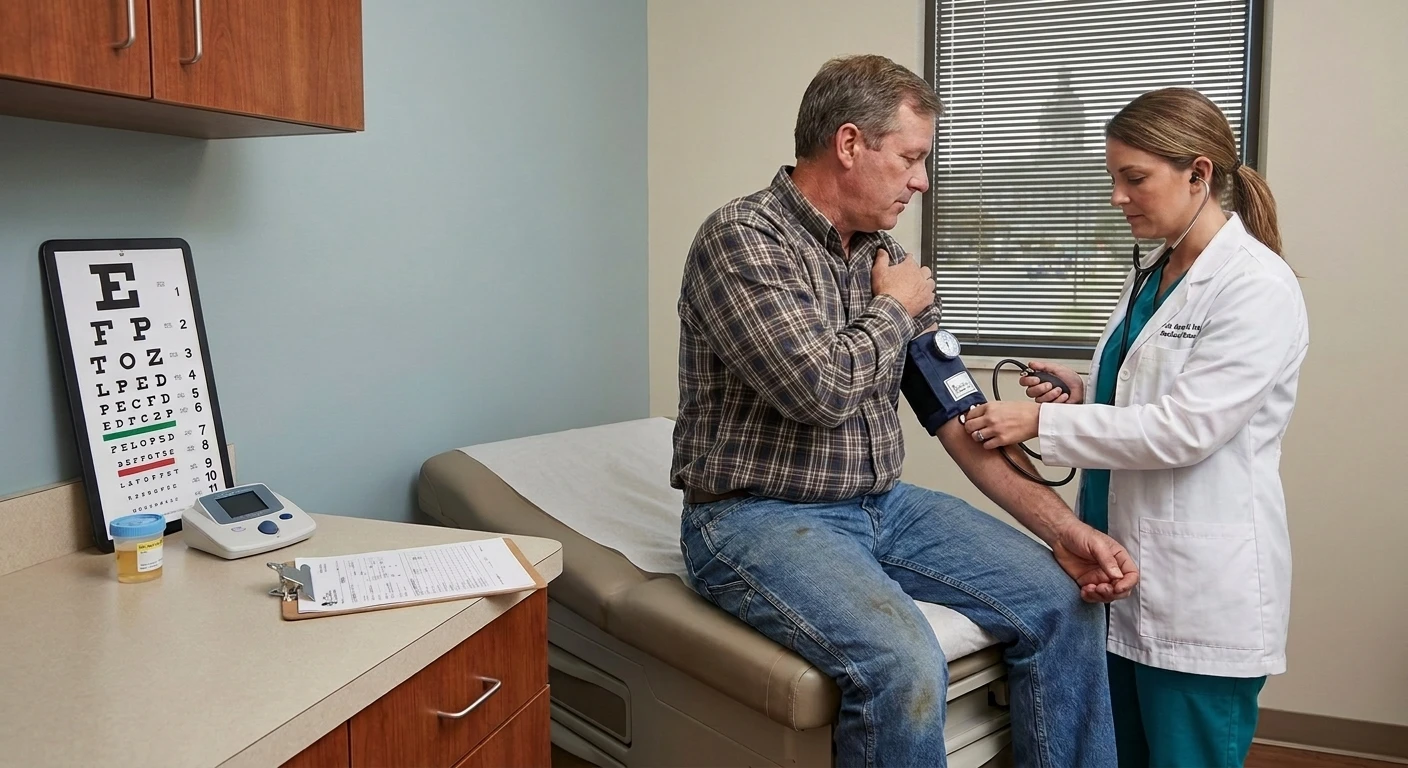
- Blood pressure and pulse readings
- Vision screening — you need at least 20/40 in each eye, corrected or uncorrected
- Hearing test — either a forced whisper or audiometric exam
- Urinalysis to check for diabetes or kidney issues
- Physical exam covering heart, lungs, abdomen, neurological function, and musculoskeletal health
Every one of these steps matters. The examiner isn't looking to fail you, but they're not going to rubber-stamp someone who doesn't meet the standard. Be honest. Lying about a condition doesn't help you — it just delays the inevitable.
Where Drivers Usually Hit Snags
Certain conditions raise red flags more than others. Blood pressure is one of the big ones. If yours is elevated but not dangerously high, you might still qualify — just for a shorter certification period. If it's through the roof, you'll need to get it under control before you're cleared.
Diabetes is another common concern. If you're managing it with diet or oral meds, you're usually fine. Insulin users face tighter scrutiny and need to meet extra requirements. Sleep apnea won't disqualify you if you're compliant with treatment — but you'll need to prove it with CPAP data.
Medications can sink you too. Anything that causes drowsiness or impairs judgment is a problem. If you're on something questionable, talk to your doctor ahead of time about alternatives. Don't wait until the examiner asks and you're scrambling for an answer.
The Paper You Walk Out With
Pass the exam, and you get a Medical Examiner's Certificate. It's good for up to two years, though some conditions will shorten that window. If you don't pass, the examiner will tell you why and what you need to fix. Sometimes it's as simple as getting your blood pressure down or updating your records. Other times, it's more involved.
Either way, you're not stuck. You just need to address whatever flagged you and come back when you're ready. The system isn't designed to keep you out — it's designed to keep unsafe drivers off the road.
Picking the Right Spot in Columbia
Columbia has plenty of clinics and urgent care centers that handle DOT physicals in Columbia, but not all of them are FMCSA-certified. Check before you book. Some places offer walk-ins, others require appointments. If you're on a tight schedule, call ahead and see what they can do. Same-day slots exist if you know where to look.
Price varies too. Shop around if you've got time, but don't sacrifice quality for a few bucks. You want an examiner who knows the standards and won't miss something that could come back to bite you later.
Common Questions Drivers Ask
We hear the same concerns over and over. Here's what most drivers want to know:
- Can I get certified with high blood pressure? Maybe — depends on the reading and whether it's controlled.
- Will my medications disqualify me? Some will, some won't. Bring your list and let the examiner decide.
- Do I need to stop taking anything before the exam? Not unless your doctor says so. Don't mess with your meds without medical advice.
- Is this a drug test? No, but your employer might require one separately. The urinalysis checks for medical issues, not substances.
- What if I fail? You'll know why, and you'll know what to fix. Then you retest when you're ready.
The Real Purpose of the Exam
This isn't about keeping good drivers off the road. It's about making sure everyone on the road is safe — including you. Commercial driving is demanding. Long hours, high stress, heavy machinery. If you're not physically up to it, you're a risk. The DOT physical is the checkpoint that catches problems before they cause crashes.
Show up prepared, be honest, and take it seriously. Most drivers pass without issue. The ones who don't usually know why before they even walk in. Fix what needs fixing, and you'll be back on the road soon enough.
Ready to Schedule Your DOT Physical?
Staying compliant and safe on the road starts with a thorough DOT physical, and we're here to make the process as smooth as possible. If you have questions or want to book your exam with a team that understands what drivers need, give us a call at 803-790-2045. When you're ready to take the next step, contact us and let's get you cleared to drive with confidence.
‹ Back
Recent Posts
-
How Long Do Drugs Stay In Your System? Detection Times Explained
October 1, 2026
-

DOT Medical Card Expiring? Here's What Drivers Need To Know
September 17, 2026
-

What's The Difference Between Legal & Personal DNA Testing?
September 3, 2026
-
Do You Need an Appointment for Drug Testing in Columbia?
August 20, 2026
-