.png)
.png)
TB Testing for Students in Lexington: Who Needs It and When?
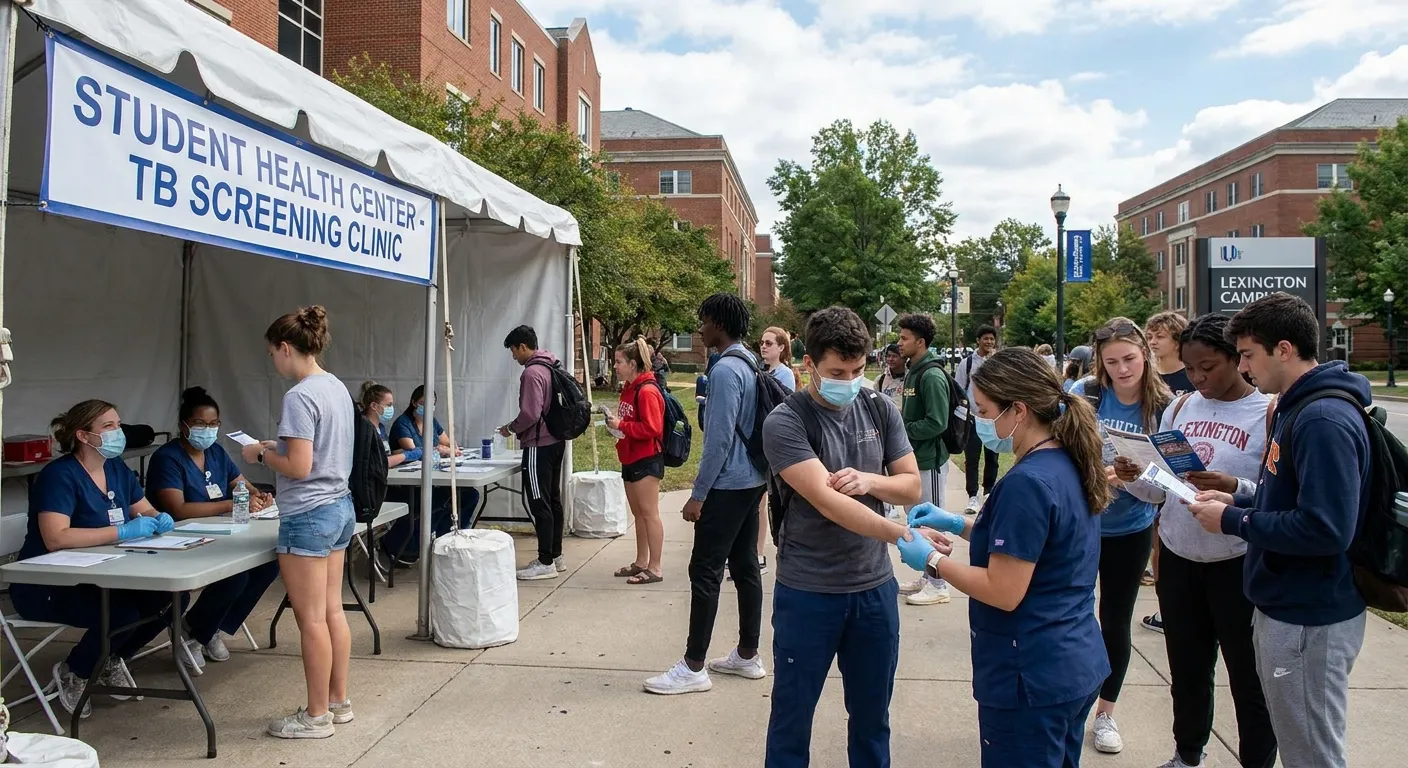
Most students think TB testing is just a formality. A quick checkmark before orientation. But health officials see it differently — and if you skip it or misunderstand the requirement, you're putting yourself and others at risk. TB may not be front-page news anymore, but it hasn't disappeared. Especially in environments where hundreds of people share classrooms, dorms, and dining halls.
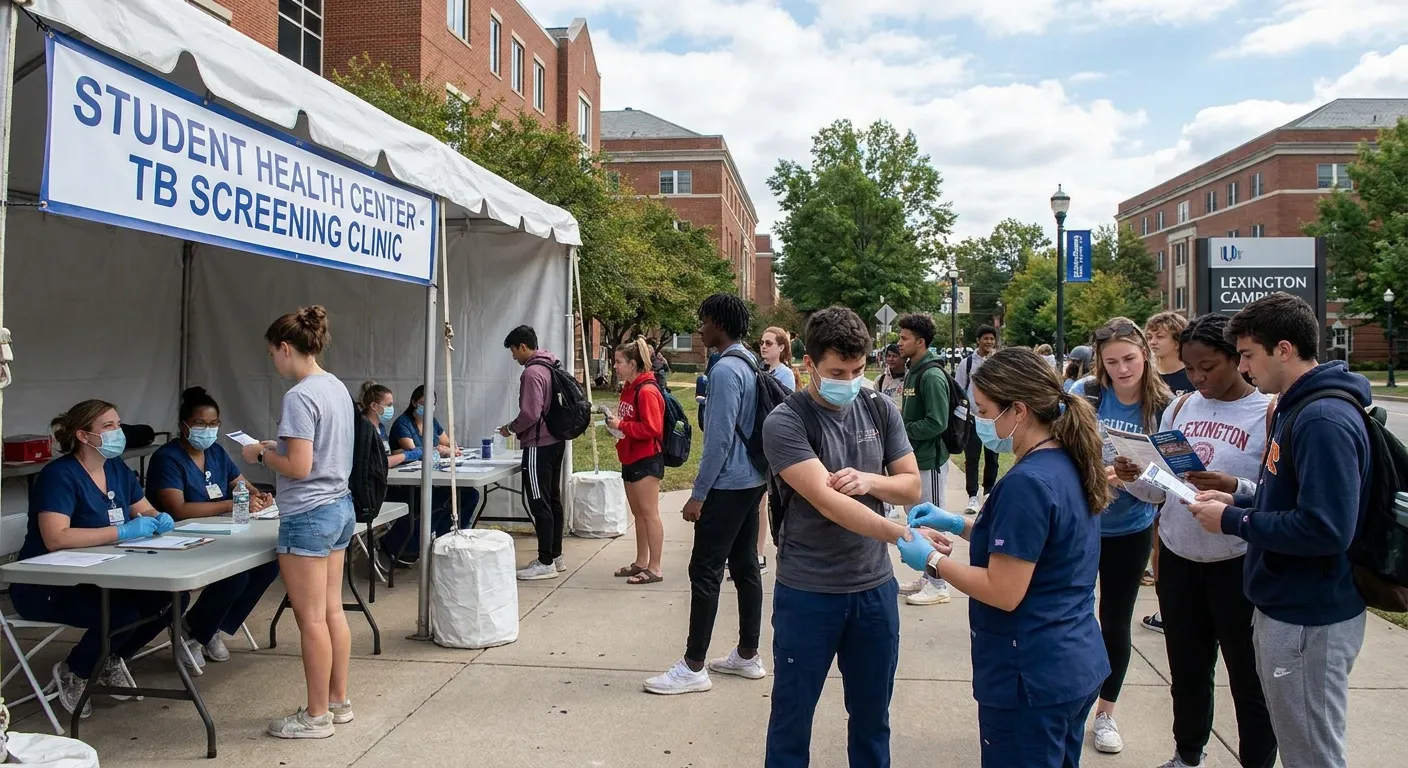
Here's the reality. If you're coming from certain regions, working in healthcare settings, or have been exposed to active cases, testing isn't optional. It's mandatory. And every campus has a protocol. Every health form needs documentation. And every screening decision should be based on your history — not just what looked safe on paper.
When TB Screening Becomes Non-Negotiable
Most of the time, healthy students from low-risk areas won't face mandatory testing. You enroll, you submit health forms, you move on. The university doesn't flag you unless there's reason to. But certain groups? Different conversation entirely.
International students arriving from countries with higher TB prevalence often can't register for classes until they show proof of screening. We've seen this play out repeatedly with fall enrollment. Students assume their visa paperwork covers health clearance — it doesn't. And when screening gets delayed, school and college physicals and class schedules take the hit unless you meet documentation standards or qualify for an exemption like prior vaccination verification.
Who Falls Under the Screening Requirement
Not every student walks through the same door when it comes to TB protocols. Some get waved through. Others hit a checkpoint. Lexington schools and universities follow state guidelines, but enforcement varies depending on your profile and program.
Here's who typically needs to show proof or get tested:
- Incoming freshmen from countries where TB transmission rates exceed U.S. averages
- Graduate students entering clinical rotations in healthcare, nursing, or allied health programs
- Transfer students who lived abroad within the past five years
- Anyone with known exposure to an active TB case in the last 12 months
- Students presenting symptoms like persistent cough, unexplained weight loss, or night sweats
Testing Methods That Actually Get Used
There are two main pathways for TB screening, and which one you take depends on your history and what the school accepts. Some students get the skin test. Others need blood work. And if you've had the BCG vaccine — common outside the U.S. — the skin test might give false positives, which complicates everything.
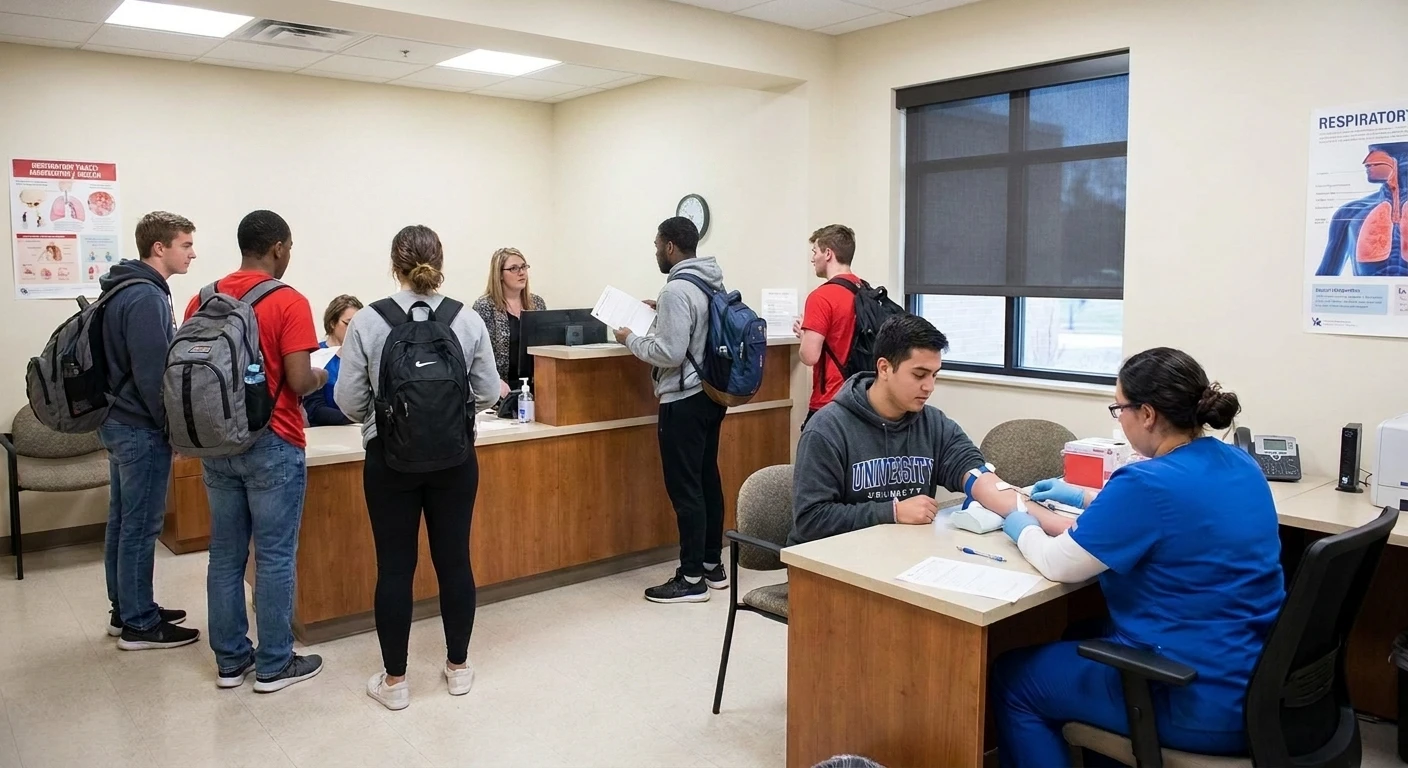
The skin test requires two visits. You get the injection, then return within 48 to 72 hours for a reading. Miss that window and you're starting over. Blood tests, on the other hand, need just one draw and don't react to prior vaccinations. Faster turnaround, cleaner results — but not every campus clinic offers them.
Timing Determines Whether You're Cleared or Stuck
Waiting until the week before classes start is a terrible strategy. Testing timelines don't bend around your schedule, and results can take days to process. If you need follow-up evaluation — chest X-rays, additional labs — that's more time lost.
Most schools want documentation submitted before you step foot on campus. That means:
- Pre-enrollment health forms with TB screening results attached
- Proof of testing within the last 12 months if you're an international student
- Immediate testing if you've been exposed to someone diagnosed with active TB
- Annual or biannual retesting if you're in a healthcare program with patient contact
- Symptom-based testing the moment respiratory issues or fatigue patterns show up
What a Positive Result Actually Means
Testing positive doesn't automatically mean you have active TB. It means your immune system reacted to the bacteria — either because you've been exposed or you have latent infection. The difference matters. A lot.
Latent TB isn't contagious. You feel fine. You're not spreading anything. But without treatment, there's a chance it activates later. Active TB, though? That's the one that spreads through coughs and close contact. That's the one that gets you pulled from classes and put on medication for months. Schools treat positive results seriously, and so should you.
The Documentation Trail You'll Need
Want to satisfy the screening requirement and move on? You'll need more than a verbal confirmation from your doctor. Schools expect paperwork — dated, signed, and detailed.
Your file should include:
- Official test results showing method used and interpretation
- Vaccination records if you've had the BCG shot
- Chest X-ray reports if your skin or blood test came back positive
- Treatment completion records if you've been on preventive therapy
Mixing up test types or submitting incomplete forms is one of the fastest ways to delay enrollment. Schools won't guess at your status. If the paperwork's missing, you're not cleared.
Where Students Trip Up Most Often
We see the same mistakes every enrollment cycle. Students assume one test covers them forever. It doesn't. Others think a negative result from high school still applies in college. It might not, depending on exposure or travel since then.
Here's what derails the process most:
- Waiting until the last minute to schedule testing and missing result deadlines
- Forgetting to follow up after a skin test and having to restart
- Submitting foreign-language health records without certified translations
- Assuming BCG vaccination exempts you from testing when campus policy says otherwise
- Ignoring symptoms because you tested negative a year ago
Bringing in a Pro Makes Sense
If your testing history includes positive results, prior treatment, or conflicting documentation from multiple countries, navigating the process solo gets risky. Campus health services can help clarify requirements, but they're not always equipped to interpret complex international records.
A travel medicine specialist or infectious disease consultant helps you sort out what's valid, what needs updating, and how to satisfy screening mandates without unnecessary retesting. It's not just about getting cleared this semester. It's about establishing clean records that hold up through your entire academic career.
Screening Isn't Just Policy Theater
Regular TB testing exists for a reason. Close quarters, shared ventilation, communal living — all of it creates conditions where one undiagnosed case can spiral. Schools that enforce screening aren't being difficult. They're protecting everyone on campus, including you.
Getting tested isn't complicated when you plan ahead. Misconceptions about tuberculosis testing and hoping it doesn't apply to you? That's where students run into walls. Know your status, gather your records, and submit everything early. That's how you avoid delays and start the semester without health holds blocking your registration. Medical testing and screening services in Lexington can provide the blood studies and documentation you need to meet enrollment requirements efficiently.
Let’s Get You Cleared and Ready for Campus Life
We know how important it is to start your semester without any health-related setbacks. If you’re unsure about your TB testing requirements or need fast, reliable documentation, let’s make it simple together. Give us a call at 803-790-2045 or contact us today so we can help you breeze through the process and get you focused on what matters most—your education.
‹ Back
Recent Posts
-

What's The Difference Between Legal & Personal DNA Testing?
September 3, 2026
-
Do You Need an Appointment for Drug Testing in Columbia?
August 20, 2026
-
-
-