.png)
.png)
DOT Medical Card Expiring? Here's What Drivers Need To Know

Most commercial drivers think about their medical card only when it's staring them down from the dashboard. But the DOT sees that certificate as more than paperwork—it's proof you're fit to haul freight, transport passengers, or move equipment across state lines. Let that card lapse and you're not just non-compliant. You're grounded. The Federal Motor Carrier Safety Administration doesn't negotiate on this, and neither does your state licensing office.

Here's what matters. Your medical certification isn't a suggestion—it's the gatekeeper between you and your CDL. If you're driving interstate commerce or operating vehicles that require a commercial license, that card needs to stay current. Miss the deadline and the consequences don't wait for you to catch up. Every driver should know when renewal is due, what the exam covers, and how fast things can go sideways without it.
The Certificate That Keeps You Legal
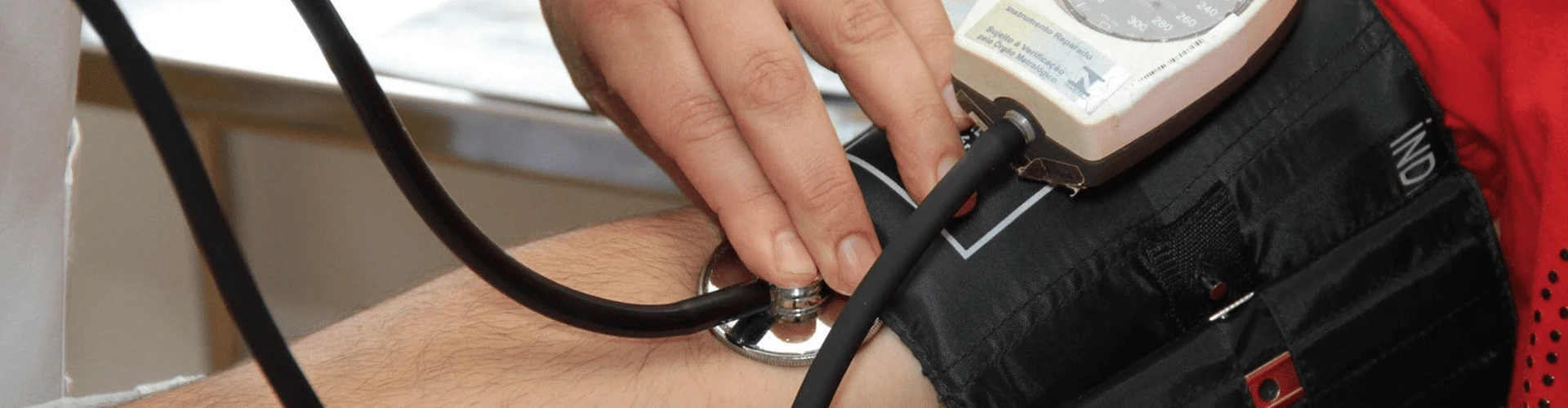
A DOT medical card proves you've passed a physical exam administered by a certified medical examiner registered on the National Registry. It's not a formality—it's a federal mandate designed to keep unsafe drivers off the road. The exam tests vision, hearing, cardiovascular health, and whether any underlying conditions might impair your ability to operate a commercial motor vehicle safely.
Most certifications last up to two years, but some drivers get shorter windows. If you have a condition that needs monitoring—diabetes, high blood pressure, sleep apnea—the examiner may issue a one-year card or even require quarterly checks. That's not punishment. That's risk management. And it's on you to track when renewal comes due, because the FMCSA won't send you a reminder postcard.
When the Card Expires, So Does Your Authority
There's no grace period. Once your medical card expires, you're no longer qualified to drive commercially. Period. Some states will downgrade your CDL automatically if they don't receive your updated certificate within a certain window. Others will flag your license as non-compliant, which means roadside inspections become a minefield.
And the fallout doesn't stop there. Employers won't let you drive without valid certification—it's a liability they can't afford. If you're an owner-operator, brokers and shippers won't touch your loads. You're effectively sidelined until you get recertified, and depending on your state, reinstatement could take days or weeks. All because a card fell through the cracks.
What the Physical Actually Covers
The DOT physical isn't a wellness checkup. It's a targeted screening to identify disqualifying conditions or anything that might compromise safe vehicle operation. Examiners evaluate a specific set of criteria, and failing one can mean losing your card—or getting a shorter certification period.
Here's what gets tested:
- Vision requirements of at least 20/40 in each eye, with or without correction
- Hearing ability to perceive a forced whisper at five feet or better
- Blood pressure under 140/90 for a two-year card; higher readings trigger shorter certifications
- No insulin-dependent diabetes unless you qualify under the exemption program
- No active seizure disorders, untreated sleep apnea, or conditions that cause sudden incapacitation
- General musculoskeletal function and ability to safely control the vehicle
How to Renew Without the Panic
Smart drivers don't wait until the expiration date is breathing down their neck. Schedule your exam at least 30 days before your current card expires. That gives you breathing room if the examiner flags something that needs follow-up or additional documentation. Find a certified examiner on the National Registry—you can search by ZIP code on the FMCSA website.
Bring what you need to pass. That means current medications, medical records for any chronic conditions, and documentation showing those conditions are controlled. If you use a CPAP machine, bring your compliance report. If you're on blood pressure meds, show that your levels are stable. Examiners won't guess—they need proof. And if you're borderline on something, don't roll the dice. Get it handled before the exam, not after you've been denied certification.
Submitting the New Card to Your State
Getting the card from the examiner is only half the battle. You still need to get it into the hands of your state licensing agency. Some states let you upload it online through a driver portal. Others require you to mail or hand-deliver a copy. Either way, confirm it's been processed. If the state doesn't have your updated certificate on file, your CDL status won't reflect the renewal—and that's when downgrades happen.
Keep a copy of the card in your truck at all times. Roadside inspections will ask for it, and if you can't produce it, you're out of service. Your employer should also have a copy on file. Don't assume they're tracking it for you. That's your license, your responsibility.
Medical Conditions That Complicate Certification
Certain diagnoses don't automatically disqualify you, but they do require extra legwork. Sleep apnea is one of the most common. If you're diagnosed, you'll need to show compliance with CPAP therapy—usually 70% or more usage over a 30-day period. Fail that, and you won't get certified. Diabetes is another. If you're on insulin, you'll need to apply for a federal exemption unless your state has its own program.
High blood pressure is where most drivers stumble. If your reading is over 140/90 but under 160/100, you might get a one-year card instead of two. Go higher than that and you're looking at a three-month temporary certificate—or outright disqualification until it's under control. Don't show up hoping to squeak by. Get your BP managed first, then schedule the exam.

What Happens If You Fail the Exam
Failing the DOT physical doesn't mean you're done forever. It means something needs to be addressed before you can be certified. Maybe your blood pressure spiked. Maybe your vision needs correcting. Whatever it is, the examiner will tell you what's out of range and what you need to fix.
You can retake the exam once the issue is resolved, but until then, you're not certified to drive. That could mean time off the road, lost income, or scrambling to find alternative work. It's why prevention beats reaction every time. If you know you're borderline on something, handle it before renewal season hits.
How Owner-Operators and Fleet Drivers Differ
If you're driving for a fleet, your employer likely tracks expiration dates and reminds you when renewal is due. But don't rely on that. Mistakes happen, and if you miss the window, it's still your CDL on the line. Owner-operators have no safety net. You're responsible for tracking your own certification, scheduling the exam, and submitting the paperwork.
Here's what we recommend for both:
- Set calendar reminders 60 days and 30 days before expiration
- Keep digital and physical copies of your current card in multiple locations
- Know which state agency handles CDL medical certifications and how to submit updates
- Maintain records of any medical treatments or exemptions tied to your certification
- Don't assume your state automatically updates your file—confirm it
The Cost of Letting It Slide
An expired medical card doesn't just stop you from driving. It can trigger a cascade of problems that take weeks to untangle. Your CDL gets downgraded. Your insurance may lapse. Contracts get voided. Loads get canceled. And if you're caught operating without a valid card, you're looking at fines, points on your license, and potentially criminal charges depending on the jurisdiction.
We've seen drivers lose months of income over something that could've been handled with a single appointment. The exam itself costs anywhere from $50 to $150, depending on location. Compare that to the cost of being grounded, and it's not even close. This is one of those areas where an ounce of prevention is worth a truckload of cure.
Staying Ahead of the Expiration Date
Your medical card is the linchpin of your ability to operate commercially. Treat it like you treat your CDL—because without one, the other is useless. Don't wait until the last week to book an exam. Don't ignore health issues that can affect your DOT medical card. And don't assume your state or employer will catch it before it's too late. This is on you, and it's one of the easiest compliance requirements to manage if you stay on top of it. Understanding requirements for DOT physicals in Columbia and West Columbia can help you prepare better. Knowing how to prepare for your CDL physical ensures you won't be caught off guard. Learning how to maintain your health between DOT physicals keeps you road-ready year-round. Miss it, and you're sidelined. Keep it current, and you keep rolling.
Let’s Keep You Rolling—We’re Here to Help
Staying on top of your DOT medical card is the difference between keeping your wheels turning and being stuck on the sidelines. If you have questions about your certification, need to schedule a physical, or want help navigating the renewal process, let’s tackle it together. Give us a call at 803-790-2045 or contact us today so we can help you stay compliant and on the road where you belong.
‹ Back
Recent Posts
-

DOT Medical Card Expiring? Here's What Drivers Need To Know
September 17, 2026
-

What's The Difference Between Legal & Personal DNA Testing?
September 3, 2026
-

Do You Need an Appointment for Drug Testing in Columbia?
August 20, 2026
-

-