.png)
.png)
What's The Difference Between Legal & Personal DNA Testing?
DNA tests are everywhere now. Kits show up on doorsteps, ancestry reports flood social media, and paternity questions get answered in a matter of days. But not every swab carries the same weight. Some results hold up in court. Others don't even leave your inbox. If you're counting on a DNA test to settle something official — custody, immigration, inheritance — you'd better know which kind you're ordering.
The gap between legal and personal testing isn't about accuracy. It's about proof. One gets filed with a judge. The other gets filed under "interesting." And if you mix them up, you're starting over from scratch — with a bigger bill and a longer wait.
Legal Testing Means Someone's Watching
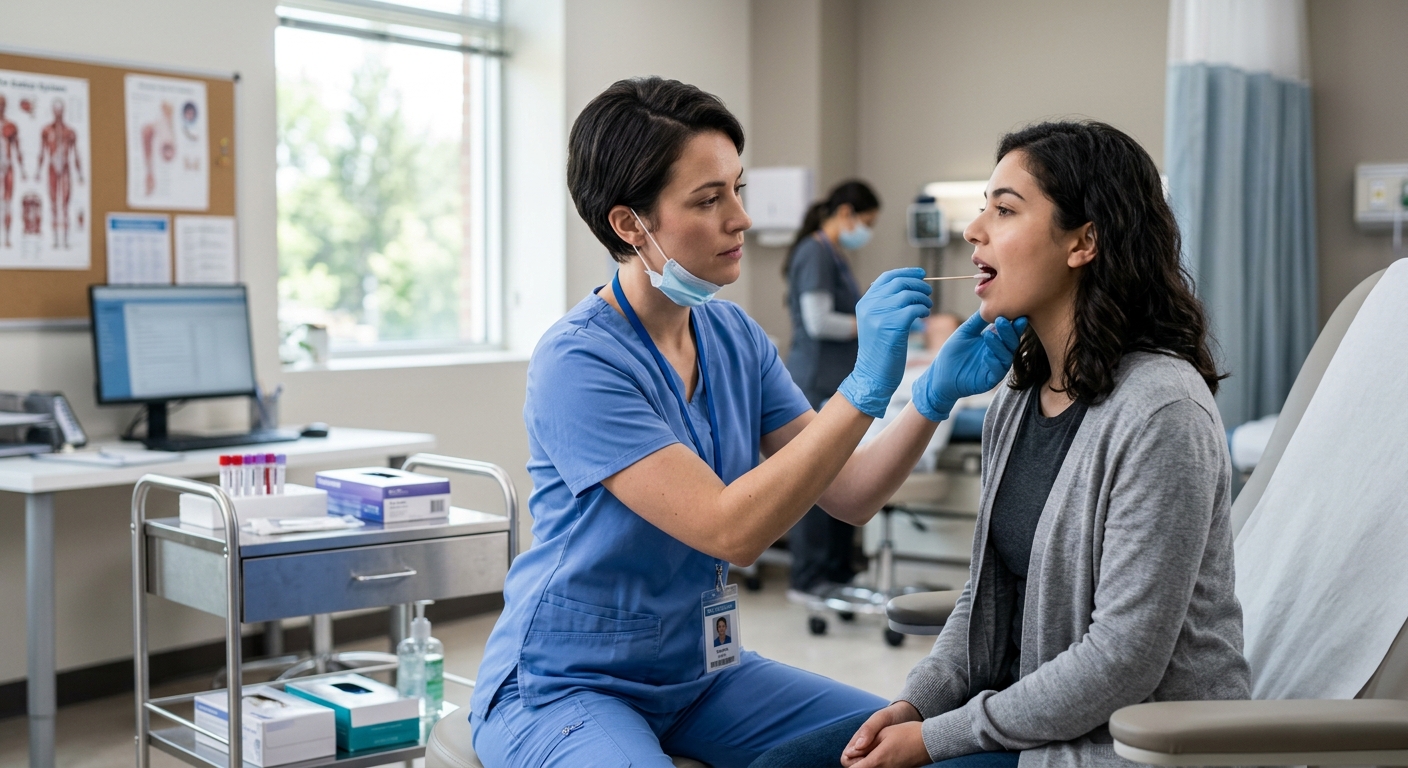
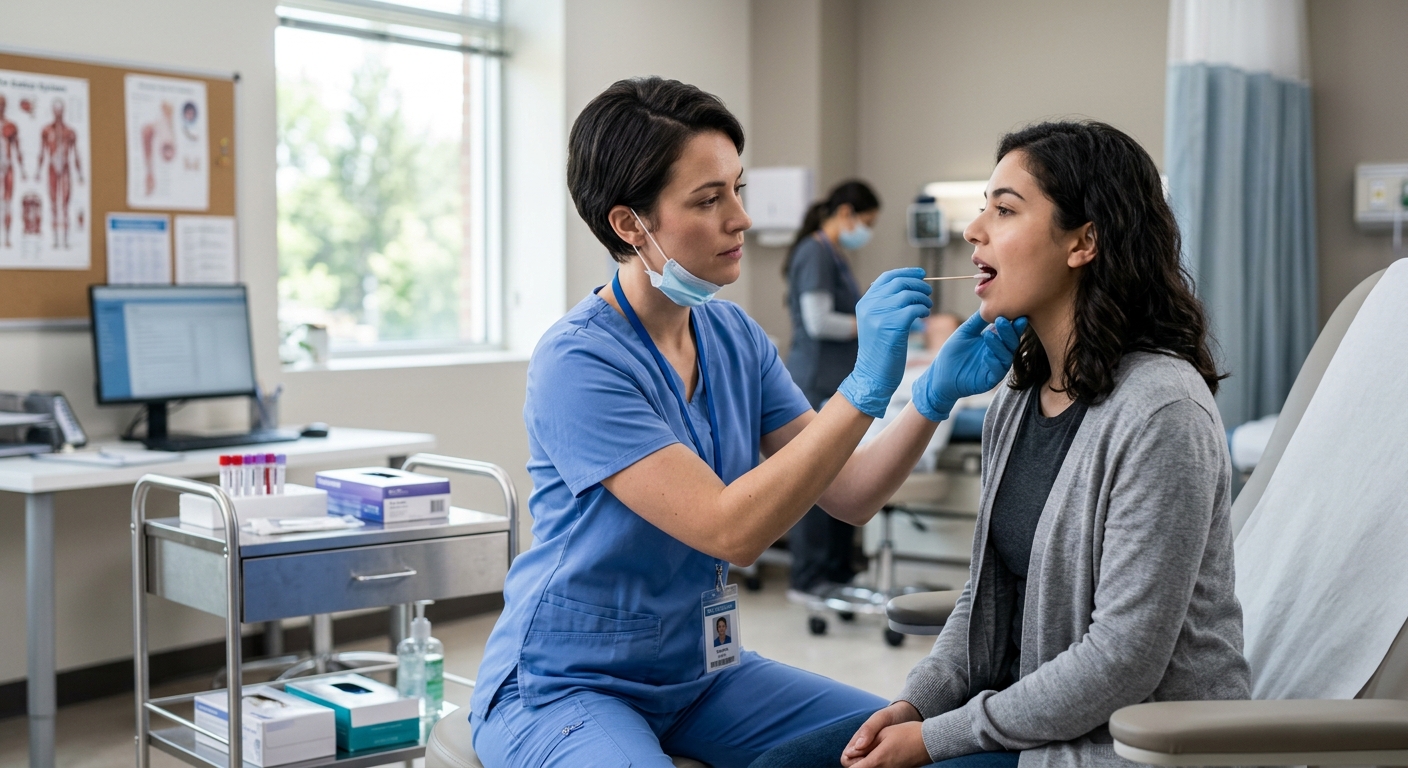
Legal DNA testing exists for one reason — to prove identity under conditions the court will accept. That means witnesses, documentation, and a process designed to eliminate doubt. You don't collect your own sample. You don't mail it yourself. Every step is supervised, logged, and locked down from start to finish.
Here's what that process looks like in practice:
- An appointment at a certified collection site, not your kitchen table
- Government-issued ID for every person being tested
- A trained collector who swabs your cheek and seals the sample in front of you
- Chain-of-custody paperwork that follows the sample to the lab
- Results that include affidavits and can be submitted to official agencies
This isn't overkill. It's the bare minimum for a result that matters legally. Without that paper trail, your test is just data — not evidence.
Personal Kits Are Built for Convenience, Not Courtrooms
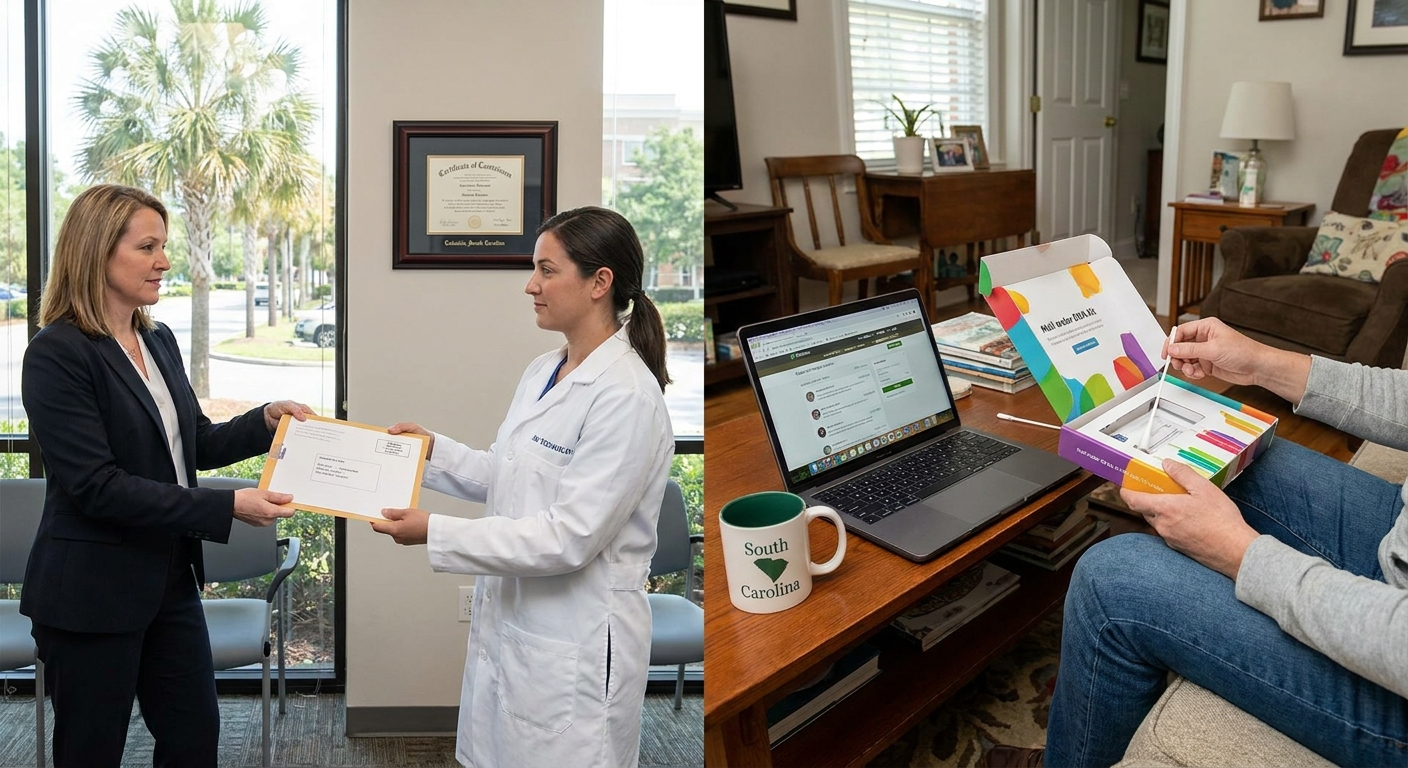
At-home DNA tests are designed to be easy. Order online, swab yourself, drop it in the mail. No appointments, no witnesses, no hassle. They're perfect for learning about your heritage, finding distant cousins, or satisfying curiosity about genetic traits. But they're useless the moment you need to prove anything official.
The process is simple because there's no accountability baked in:
- You order a kit from a commercial company
- You collect your own sample without supervision
- You mail it back using the prepaid envelope
- You get results online, often with ancestry breakdowns or health insights
- You use the information however you want — but not in court
There's no verification of who provided the sample. No way to prove the swab came from you and not someone else. And that's fine for casual use. It's a dead end for legal battles.
Why the Law Demands a Different Standard
Courts don't care how accurate a lab's technology is if they can't verify who got tested. Personal kits fail that test every time because identity isn't confirmed. You could send in your neighbor's sample and nobody would know. Legal tests solve that problem by making identity verification mandatory.
The requirements are strict for a reason:
- Photo ID must match the person being swabbed
- A neutral third party oversees the collection
- Samples are sealed immediately and labeled with unique identifiers
- Documentation tracks the sample from collection to lab to result
- Any break in that chain invalidates the test for legal purposes
This is what judges and immigration officers need to see. Without it, your results are just a printout with no legal standing.
When Each Type Makes Sense
If you're dealing with custody, child support, immigration petitions, or inheritance disputes, legal testing isn't optional — it's the only format that counts. Showing up with a personal test result will get you sent back to square one. And if time matters, that's a costly mistake.
Personal tests shine when the stakes are low and the goal is knowledge. Tracing your roots, exploring genetic health markers, or connecting with relatives you didn't know existed — these are all solid reasons to go the at-home route. Just don't expect those results to hold weight in any official proceeding.
Cost Reflects What You're Paying For
Legal tests cost more because you're not just buying lab work. You're paying for witnessed collection, secure handling, certified documentation, and results that satisfy legal standards. Personal tests skip all of that overhead and focus only on analysis. The price difference is real, but so is the difference in what you can do with the results.
Here's where the money goes in each scenario:
- Legal tests include appointment scheduling, ID verification, and chain-of-custody paperwork
- Personal kits cover the swab, shipping, and lab analysis — nothing more
- Legal results come with affidavits and can be submitted directly to courts or agencies
- Personal results come with reports, charts, and online tools for exploration
- Upgrading a personal test to legal standing later means starting over entirely
If you know you need legal proof, pay for it upfront. Trying to convert a personal test later doesn't work — you'll just pay twice.
Don't Gamble on the Wrong Test
The mistake we see most often is someone ordering a cheap at-home kit for a situation that demands legal proof. By the time they realize the error, deadlines have passed or proceedings have stalled. There's no shortcut, no upgrade path, and no way to retrofit a personal test into something a judge will accept.
If the result matters beyond your own curiosity — if it's going to determine custody, immigration status, or inheritance rights — DNA testing accuracy in Columbia SC demands legal standards. Personal tests are powerful tools for self-discovery, but they're not built to stand up under legal scrutiny. For individuals seeking professional testing services, understanding which test meets your specific needs is essential. Columbia, Lexington, and West Columbia residents can access certified testing facilities that provide legally admissible results. Know which one you need before you swab, and you'll avoid wasting time, money, and credibility when the stakes are high.
Ready to Get Answers That Count?
When it comes to DNA testing, we believe peace of mind comes from knowing your results will stand up when it matters most. If you need clarity for a legal matter or simply want to be sure you’re choosing the right test, let’s talk it through together. Call us at 803-790-2045 or contact us today and we’ll help you take the next step with confidence.
‹ Back
Recent Posts
-

-
How Long Do Drugs Stay In Your System? Detection Times Explained
October 1, 2026
-

DOT Medical Card Expiring? Here's What Drivers Need To Know
September 17, 2026
-

What's The Difference Between Legal & Personal DNA Testing?
September 3, 2026
-

Do You Need an Appointment for Drug Testing in Columbia?
August 20, 2026