.png)
.png)
When Should Employers Choose Hair, Urine, Or Oral Fluid Drug Testing?
Most employers think drug testing is about checking boxes. Pass or fail. Clean or dirty. But the reality runs deeper than that — and if you're not paying attention to which method you choose, you're leaving holes in your safety net. Each testing option carries its own timeline, its own blind spots, and its own strategic fit. Pick the wrong one and you might miss what matters most.
So here's what counts. If you're serious about protecting your workplace, you need to know what each test actually detects — and when it makes sense to use it. Hair tells one story. Urine tells another. Oral fluid gives you something else entirely. And the difference between them isn't just technical — it's tactical.
The Three Methods and What They Actually Catch
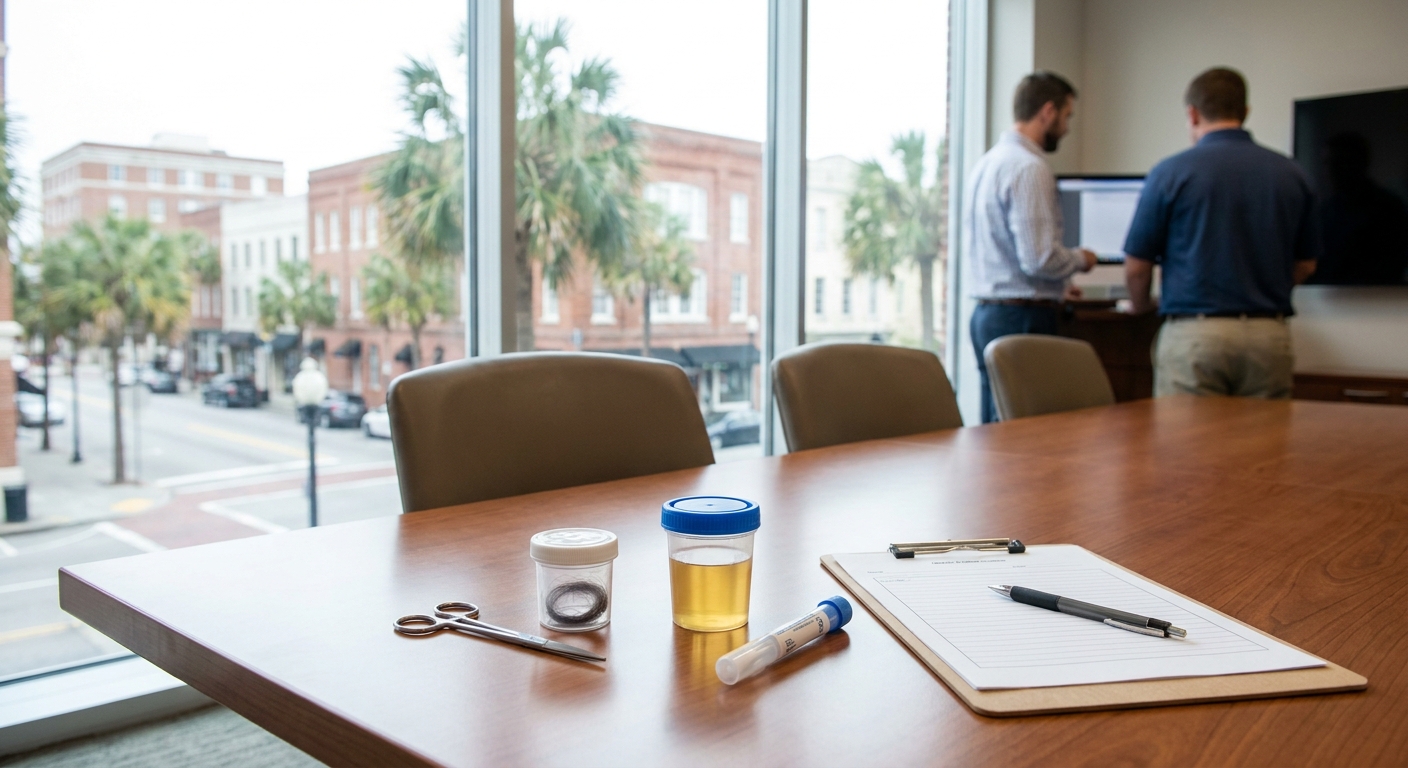
Before we get into strategy, let's break down what we're working with. Hair testing pulls from a follicle sample and scans back roughly three months. That gives you a long view — patterns, habits, repeat behavior. Urine testing is the workhorse. It picks up substance use from the last few days to about a week, depending on what you're screening for. And oral fluid? That's your short-window option. It catches what happened in the last day or two, sometimes less.
Each one has a lane. The trick is knowing which lane fits your situation. We don't just throw darts at a board and hope something sticks. We match the test to the risk, the role, and the timeline we care about.
Hair Testing Works When You Need the Full Picture
Hair analysis shines when you're looking for chronic use or long-term patterns. It's harder to game, harder to flush out with detox kits, and harder to hide behind a few clean days. That makes it valuable in roles where trust and consistency matter more than split-second detection.
Here's when it makes the most sense:
- Pre-hire screening for safety-sensitive positions where you want to see behavior over months, not days
- Return-to-duty monitoring after a policy violation or rehab completion
- Executive or high-responsibility roles where habitual use poses long-term risk
- Situations where deterrence matters more than immediate detection
- When you need a defensible record that spans a quarter, not a weekend
That said, hair won't catch someone who used yesterday. If you're trying to prove impairment right now, this isn't your tool. It's built for history, not headlines.
Urine Holds the Middle Ground
Urine testing is the default for a reason. It's cost-effective, legally solid, and covers the sweet spot between recency and detection range. Most compliance frameworks — DOT included — lean on urine because it works across a wide range of scenarios without requiring lab expertise or special handling.
We rely on it when:
- Pre-employment screening needs to be fast, affordable, and legally bulletproof
- Random testing programs require a balance between deterrence and fairness
- Post-incident investigations need quick answers about recent use
- Federal or state regulations explicitly call for urine collection
- You're managing a large workforce and need a scalable, repeatable process
The downside? It's easier to tamper with if you're not watching the process closely. Substitution, dilution, adulteration — all possible if your collection protocols are lazy. That's why we don't cut corners on supervision or chain of custody. Ever.
Oral Fluid Catches What Just Happened
Oral fluid testing is your go-to when timing is everything. It detects drugs that are still circulating, still active, still impacting performance. That makes it ideal for post-accident situations, reasonable suspicion calls, or any scenario where you need to know if someone is impaired right now — not last week.
It's the right move when:
- You're responding to an accident and need to establish current impairment
- Reasonable suspicion arises and you need results on the spot
- Your team works in the field and collection needs to happen without a facility
- Privacy and dignity matter — no bathroom monitoring required
- You want to minimize the chance of sample tampering or substitution
But here's the tradeoff. The detection window is tight. If someone used three days ago and stayed clean since, oral fluid probably won't flag it. It's not a historical record. It's a snapshot of the present.
Matching the Test to the Risk
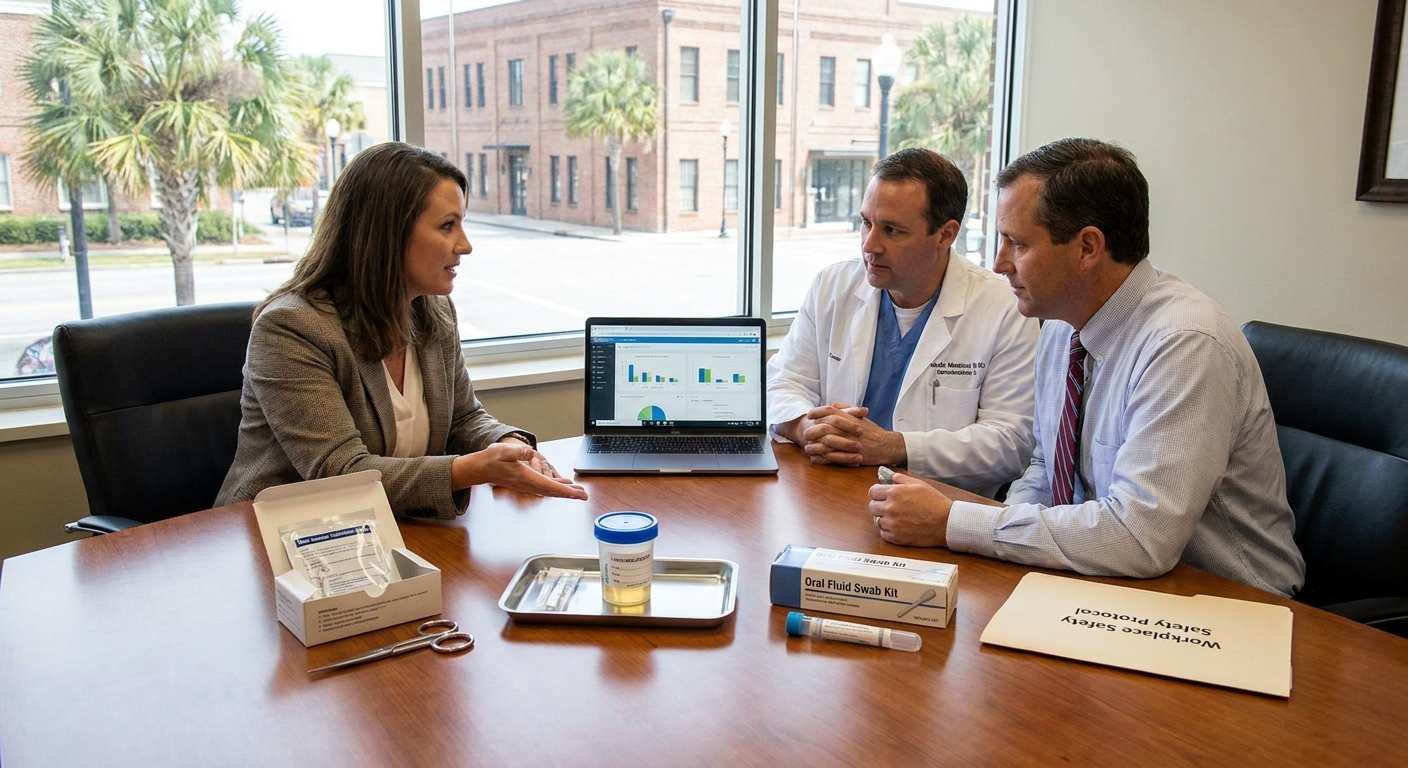
Choosing the right method isn't about picking your favorite. It's about aligning the tool with the threat. High-turnover roles with minimal risk? Urine works fine. Safety-critical positions where one mistake costs lives? Hair might be worth the extra investment. Incident response where you need proof of impairment in real time? Oral fluid is your answer.
We also factor in regulatory requirements. DOT-regulated employers don't get to freestyle — urine is the standard, and you follow it. But outside those mandates, you have flexibility. And that flexibility should be used strategically, not randomly.
What Breaks Down in Practice
Even with the right test, things fall apart when employers skip the details. Hair tests that aren't handled by certified labs. Urine collections with no observer. Oral fluid kits that sit in a hot truck for six months before use. None of that flies when results get challenged.
Here's where the gaps usually show up:
- Using hair testing for post-accident scenarios when the timeline doesn't support it
- Relying on oral fluid alone for pre-employment when you need a longer detection window
- Failing to document chain of custody, especially with urine samples
- Choosing the cheapest lab instead of the most defensible one
- Not training supervisors on when to escalate or which test to order
Every shortcut creates exposure. Every assumption opens the door to a grievance, a lawsuit, or a failed audit. We don't guess. We document, verify, and follow protocols that hold up under scrutiny.
Your Testing Program Is Only as Strong as Your Process
You can have the best testing method in the world and still lose credibility if your process is sloppy. That means clear policies, trained staff, consistent application, and defensible records. It means knowing when to test, who to test, and how to handle the results without creating liability. Organizations benefit from partnering with experienced providers who understand both drug screening methodology and workplace compliance. Employers seeking comprehensive support can explore services for businesses that integrate testing into broader occupational health strategies. For small operations trying to build defensible programs from the ground up, understanding the benefits of employment physicals for small businesses in Columbia can clarify how testing fits into the bigger picture. Common pitfalls like those outlined in drug testing myths and misconceptions often undermine even well-intentioned programs. Effective occupational health testing isn't just about compliance—it's about building systems that protect everyone involved.
Testing isn't punitive — it's protective. Done right, it keeps your people safe, your operations compliant, and your reputation intact. Done wrong, it becomes a legal mess wrapped in bad PR. The difference comes down to preparation, not luck.
Let’s Build a Safer Workplace Together
Choosing the right drug testing method is just the start—what matters most is having a partner who understands your business and stands behind every result. Let’s work together to create a program that protects your team and your bottom line. If you’re ready to take the next step, call us at 803-790-2045 or contact us today to get started.
‹ Back
Recent Posts
-

-
How Long Do Drugs Stay In Your System? Detection Times Explained
October 1, 2026
-

DOT Medical Card Expiring? Here's What Drivers Need To Know
September 17, 2026
-

What's The Difference Between Legal & Personal DNA Testing?
September 3, 2026
-

Do You Need an Appointment for Drug Testing in Columbia?
August 20, 2026